
Leading Solutions For Wall Removal To Support Your Home Makeover
Identify essential products that facilitate wall removal, making your remodeling projects more manageable and successful.
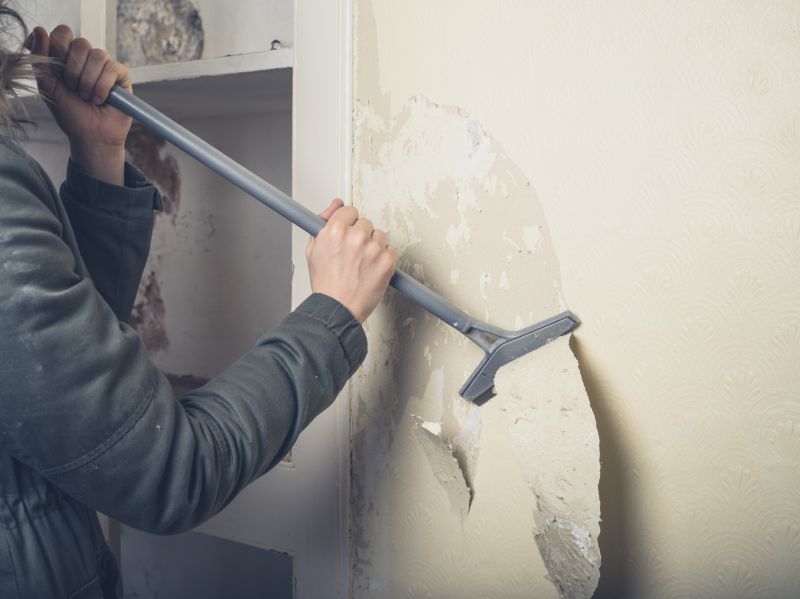 Removing walls can significantly alter the layout and openness of a space, making it essential to choose the right products to ensure safety and structural integrity. When undertaking wall removal projects, the primary concern is supporting the remaining structure, especially if load-bearing walls are involved. Proper tools and materials are necessary to facilitate a clean, controlled removal process without damaging surrounding areas. Additionally, surface preparation and finishing products are often required to restore the aesthetics of the space after the wall has been taken down.
Top Overall Option
Multi-Tool Oscillating Tool Kit
A versatile oscillating tool kit equipped with various blades and attachments can facilitate precise cuts through drywall, studs, and other materials during wall removal projects. Its adaptability makes it a valuable tool for both small and large demolition tasks, allowing for controlled, accurate work with minimal damage to surrounding surfaces.
Types of Products For Wall Removals
Drywall Saw
Specialized saws designed for cutting drywall cleanly and efficiently, ideal for making precise openings and removing sections of wall.
Crowbar and Pry Bar Set
Tools used to carefully pry apart wall panels and remove nails or fasteners during demolition.
Reciprocating Saw
A powerful saw that can cut through studs and framing materials quickly, useful for larger removal projects.
Hammer
Basic tool essential for breaking apart drywall and removing stubborn nails or fasteners.
Dust Extraction System
Equipment to contain dust and debris during demolition, maintaining a cleaner workspace.
Support Beams
Structural elements used to replace load-bearing walls and ensure safety after removal.
Joint Compound and Spackle
Materials for finishing and smoothing wall surfaces after removal and repair.
Sandpaper and Sanders
Tools for achieving a smooth finish on repaired wall surfaces before painting.
Ladders and Scaffolding
Support equipment to access higher sections of walls safely during removal.
Protective Gear
Safety equipment including masks, goggles, and gloves to protect during demolition.
Painting Supplies
Paint, brushes, and rollers for finishing the wall surface after removal.
Stud Finder
Device to locate framing studs behind drywall before cutting or removing sections.
Wire Cutters and Pliers
Tools for disconnecting electrical wiring safely before wall removal.
Temporary Shoring
Supports used to hold up structures during load-bearing wall removal.
Measuring Tape and Level
Tools to ensure precise cuts and proper alignment during and after removal.
Popular Choices
A versatile power tool useful for removing fasteners and preparing surfaces for wall removal.
Essential for scoring drywall and making initial cuts before removal.
Hand tool for prying apart wall panels and removing nails with minimal damage.
Manual saw for cutting smaller sections or detailed work in wall removal.
Protective equipment to prevent inhalation of dust during demolition.
Eye protection essential during cutting and demolition activities.
Protect hands from sharp edges, nails, and debris during wall removal.
Device to assist in safely removing large drywall panels.
Provides power to tools in areas without nearby outlets during demolition.
Illuminates work area for better visibility during removal tasks.
Tools to ensure accurate cuts and proper alignment of support structures.
Specialized tool for removing stubborn nails from studs and drywall.
Hold materials in place during repair or finishing work post-removal.
Laser device to ensure precise measurements and level lines during renovation.
The process begins with identifying whether the wall is load-bearing or non-load-bearing. For non-load-bearing walls, removal is generally simpler, but for load-bearing walls, additional support such as temporary shoring or permanent beams may be necessary. Once the structural considerations are addressed, the actual removal involves carefully cutting through drywall, removing studs, and managing debris. Protective gear and dust containment measures help maintain safety and cleanliness during the project.
Post-removal, finishing products such as joint compound, sanding tools, and paint are used to restore the area to its desired appearance. For larger projects, consulting with professionals or structural engineers can provide guidance on the appropriate methods and materials, ensuring compliance with building codes and safety standards. Whether updating a single wall or undertaking a major renovation, selecting the correct products for wall removal is crucial to achieving a successful outcome and maintaining the safety of the space.
Key Buying Considerations
- Determine whether the wall is load-bearing or non-load-bearing to understand the scope of removal and necessary supports.
- Select appropriate tools based on the size and complexity of the removal project, considering manual versus power tools.
- Ensure safety equipment is available and used properly to prevent injuries during demolition.
- Assess the material of the wall—drywall, plaster, or brick—to choose compatible cutting and removal tools.
- Plan for debris containment and disposal to maintain a clean workspace and adhere to local regulations.
- Consider the need for temporary supports or shoring if removing a load-bearing wall to prevent structural issues.
- Evaluate finishing supplies such as joint compound, sanding tools, and paint for post-removal surface restoration.
- Check for hidden electrical wiring or plumbing within the wall before cutting to avoid damage or hazards.
- Measure carefully and use level and square tools to ensure precise cuts and proper structural alignment.
- Decide if professional assistance is necessary, especially for load-bearing walls or complex structural modifications.
- Invest in quality tools and materials to ensure safety, efficiency, and a clean finish.
- Review local building codes and permits required for wall removal projects to ensure compliance.
- Consider the accessibility of the work area and arrange for ladders or scaffolding as needed.
- Determine the timeline for the project to coordinate tool availability and safety measures.
- Think about the final aesthetic—matching textures, paints, and finishes for a seamless look after removal.
This content contains affiliate links. We may earn a commission if you purchase through these links, which supports our work without affecting the recommendations provided.